
We create graphics that make an impact and deliver business results: from social media designs to printed materials, advertising banners and complete branding packages. Every project is developed based on a strategy, an analysis of your industry, and the standards favoured by modern AI algorithms and advertising platforms.
ORDER GRAPHICS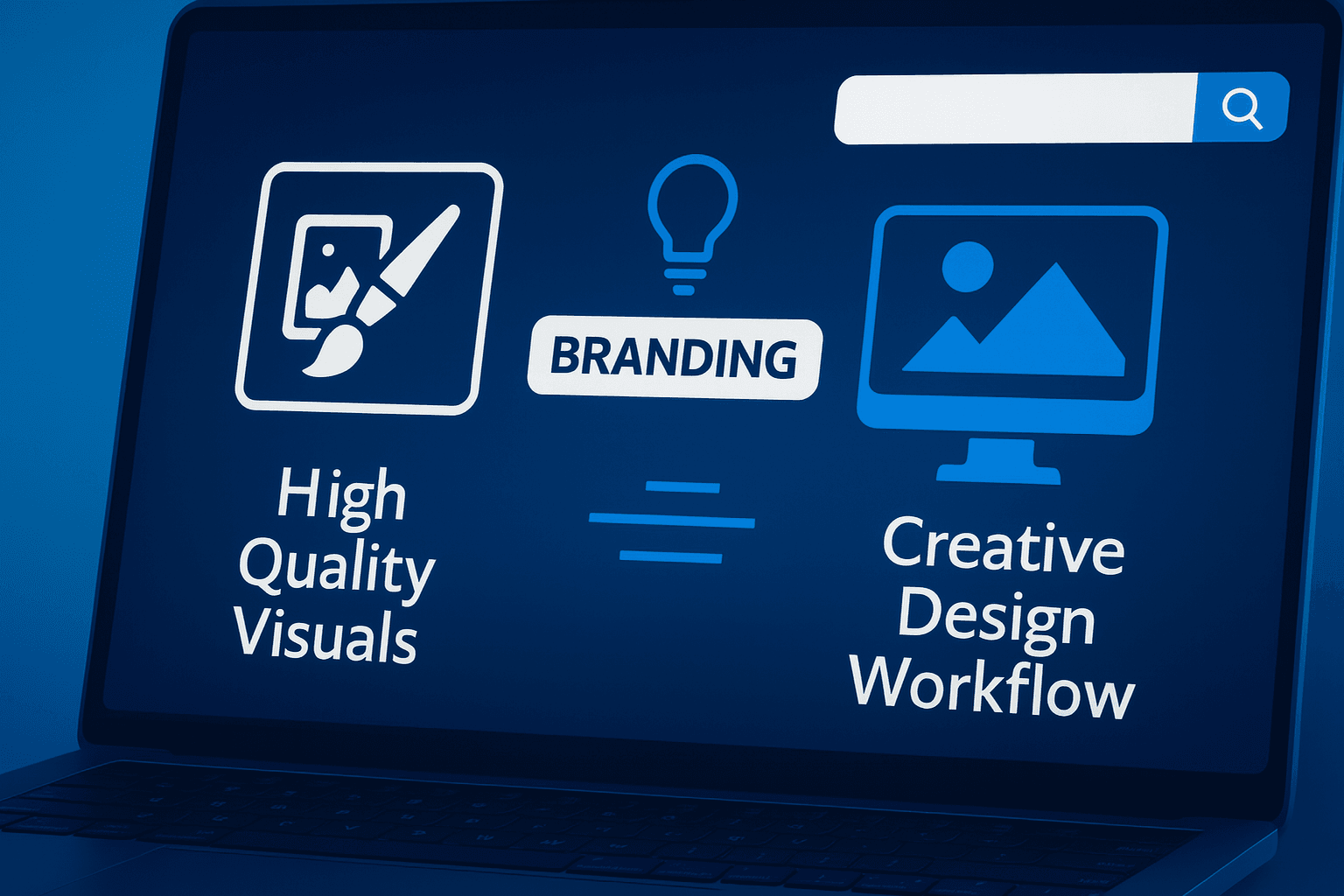
In a world where users judge a brand within the first few seconds, it is the visuals that determine whether someone will notice your message, remember your logo and take your company seriously. At GBoost, we design materials that strengthen your brand, evoke emotion and tangibly boost the effectiveness of your communication — whatever the format.

The internet is full of cheap, slapdash designs. Users simply ignore them. Professional graphics work in a completely different way: they catch the eye, highlight the brand’s quality and make the viewer pay more attention to it.
 You stand out in places where mediocrity reigns

Well-designed graphics aren’t just decoration — they’re a communication tool. We design the layout, typography and composition so that the viewer immediately knows what to do: click, read, ask, remember.
More effective adverts and posts. Less clutter in your graphics.

Most companies treat graphic design as a ‘nice-to-have’ that can be whipped up quickly in Canva. The result? The brand looks cheap, chaotic and inconsistent — and this leads to lower customer trust.
You’ll build a brand image that inspires trust at first glance
Graphics software is a key component of well-designed graphics. We use the best solutions on the market to ensure our clients receive the highest possible quality in their graphic designs.

Precise processing and graphic design of the highest standard. Complete control over detail and colour.

Consistent, high-quality photo editing. This ensures a consistent visual style that reinforces the brand image.
The gold standard in logo and vector graphics design. Perfect quality at any size – no compromises.

Professional typesetting of corporate and advertising materials. Clear, well-organised and visually appealing, ready for printing.
Quick creation of materials based on professional branding. Enables you to work independently without compromising on quality.
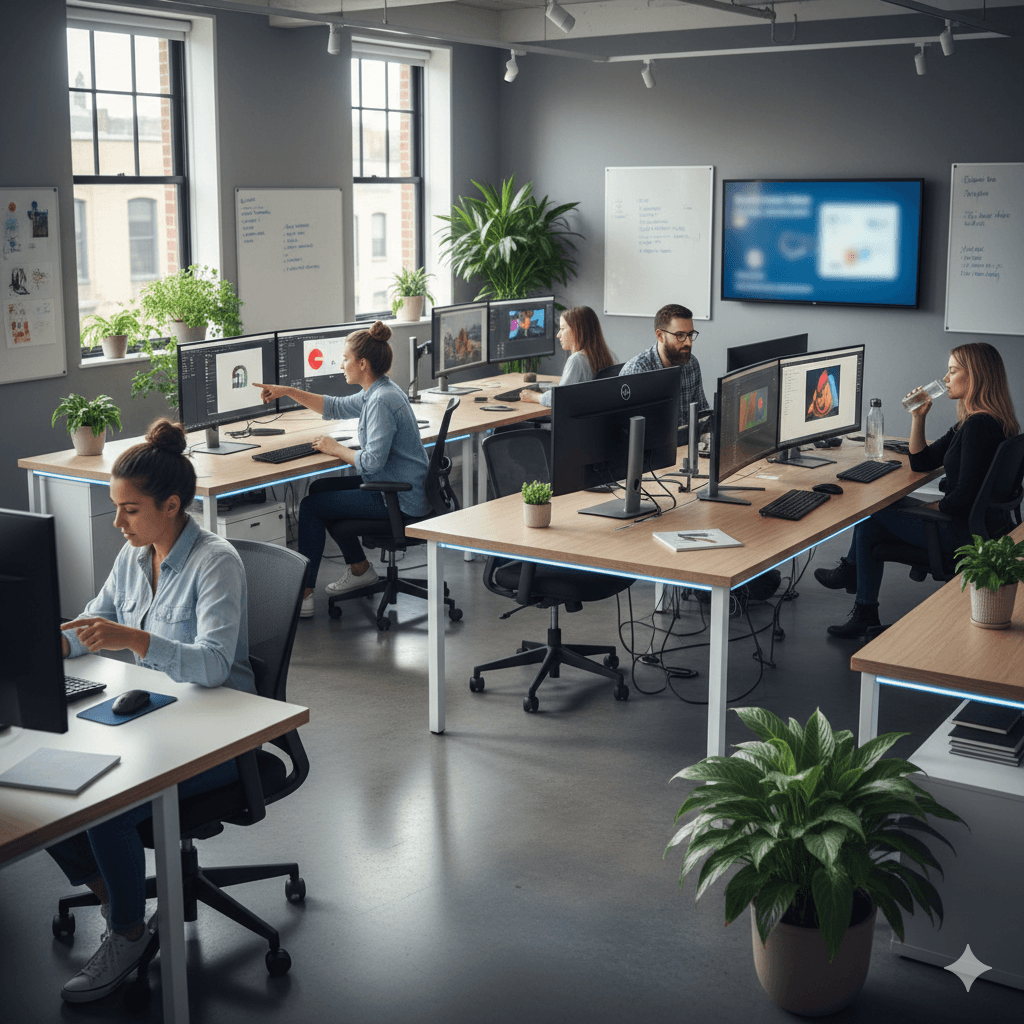
The team responsible for graphic design at GBoost comprises professionals with experience across a wide range of projects in many different sectors. Thanks to our skilled graphic designers, we are able to provide our clients with graphics of the highest standard.

When designing your graphics, we focus on the highest quality whilst keeping the price reasonable.

We are putting together a set of materials to ensure your brand is consistent across every graphic element.

Our graphic designers have been working in various B2B and B2C sectors for years, gaining experience in design.

We provide ready-to-use materials: online, print, formats and exports.
Every company’s brand identity starts with a strong logo and logotype, as well as a few basic design elements such as a business card, a banner or a brand book. A good logo is not just a design; it is a symbol and a clear visual message about your company.
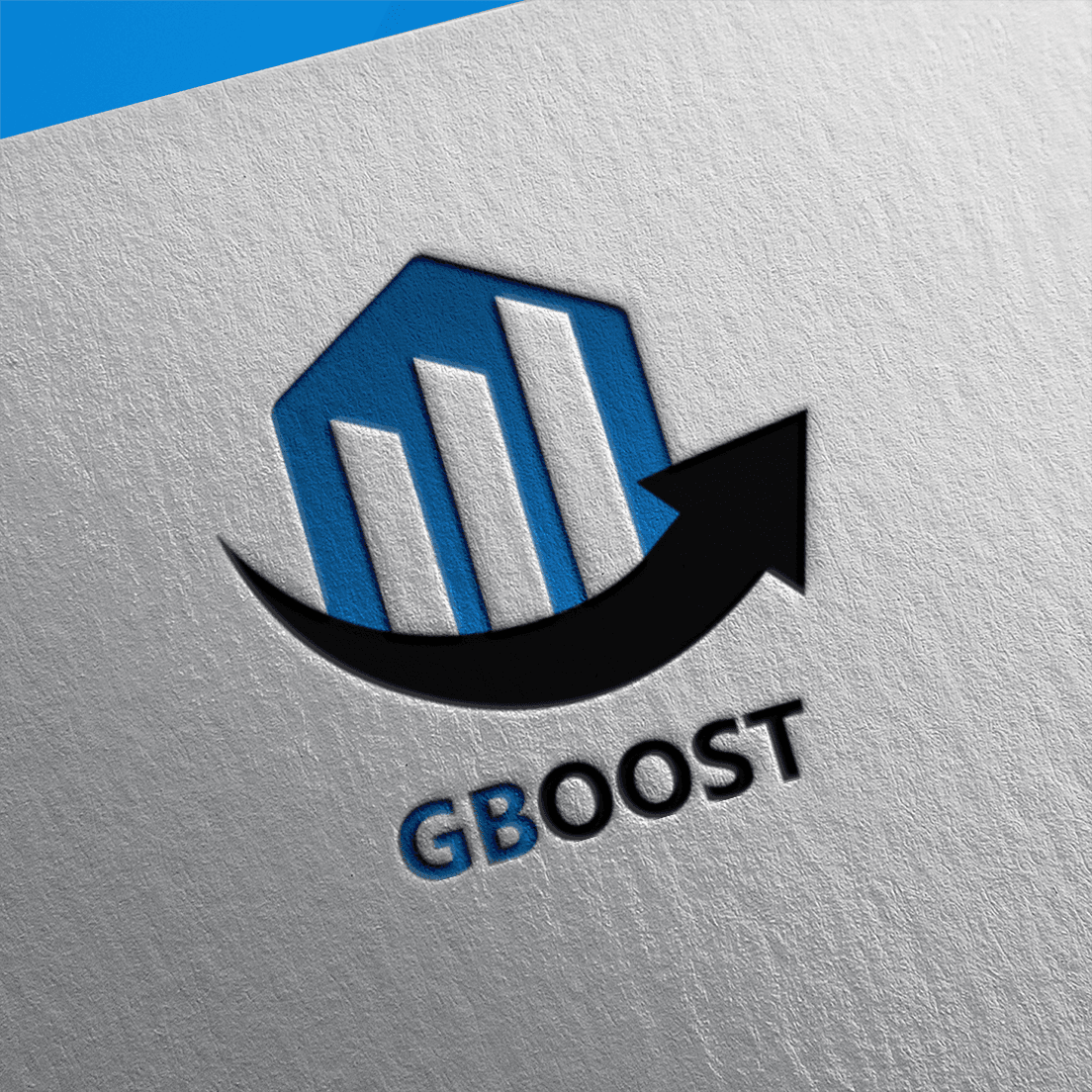
A logo that is both a symbol and a message – not just a graphic design. Well thought-out and properly prepared for use.
120 € excl. VAT / one
ORDER GRAPHICS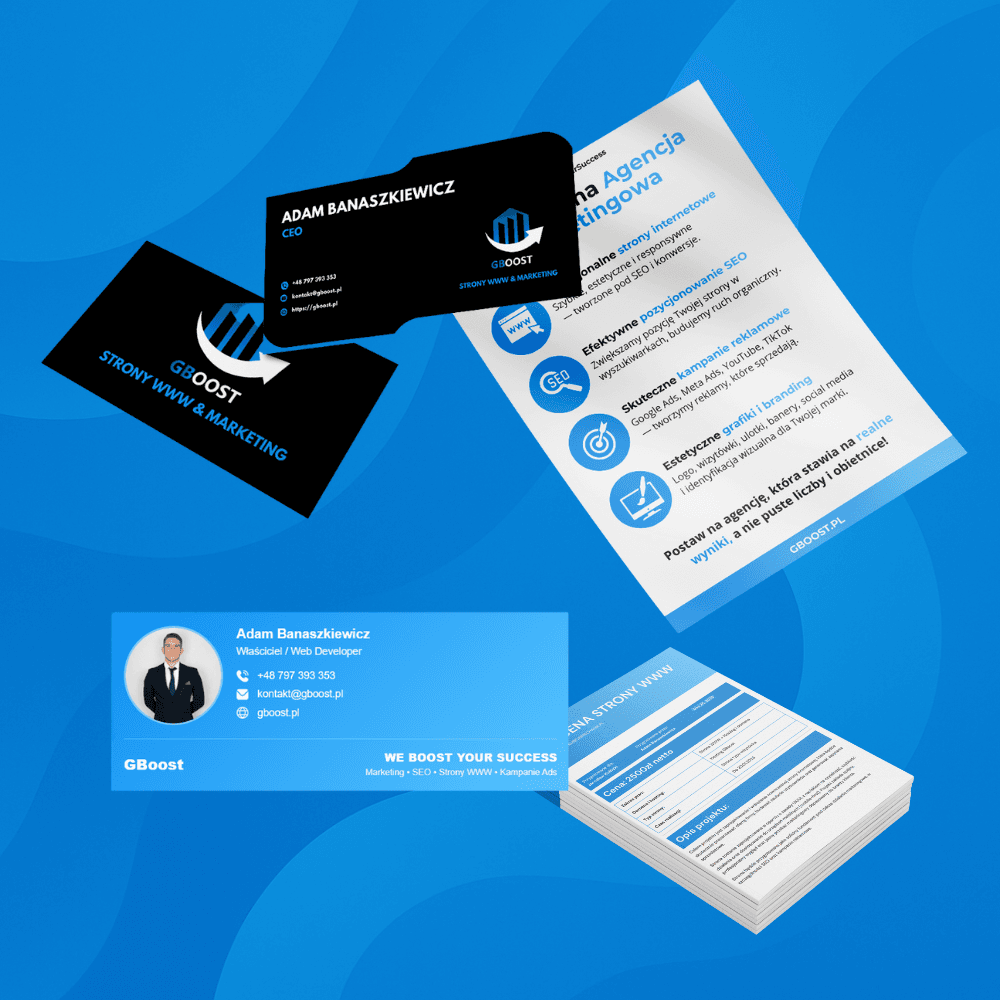
A set of basic graphics for your business, including a brand book and a complete visual identity for your business.
360 € excl. VAT / one
ORDER GRAPHICS
A comprehensive overhaul and redesign of your company’s branding, in line with the latest trends and consistent with your brand’s narrative.
310 € excl. VAT / one
ORDER GRAPHICSBelow is a list of the most frequently requested and essential graphics for your business, which the GBoost team can produce. The table shows examples, standard dimensions, prices and further details in the modal window.
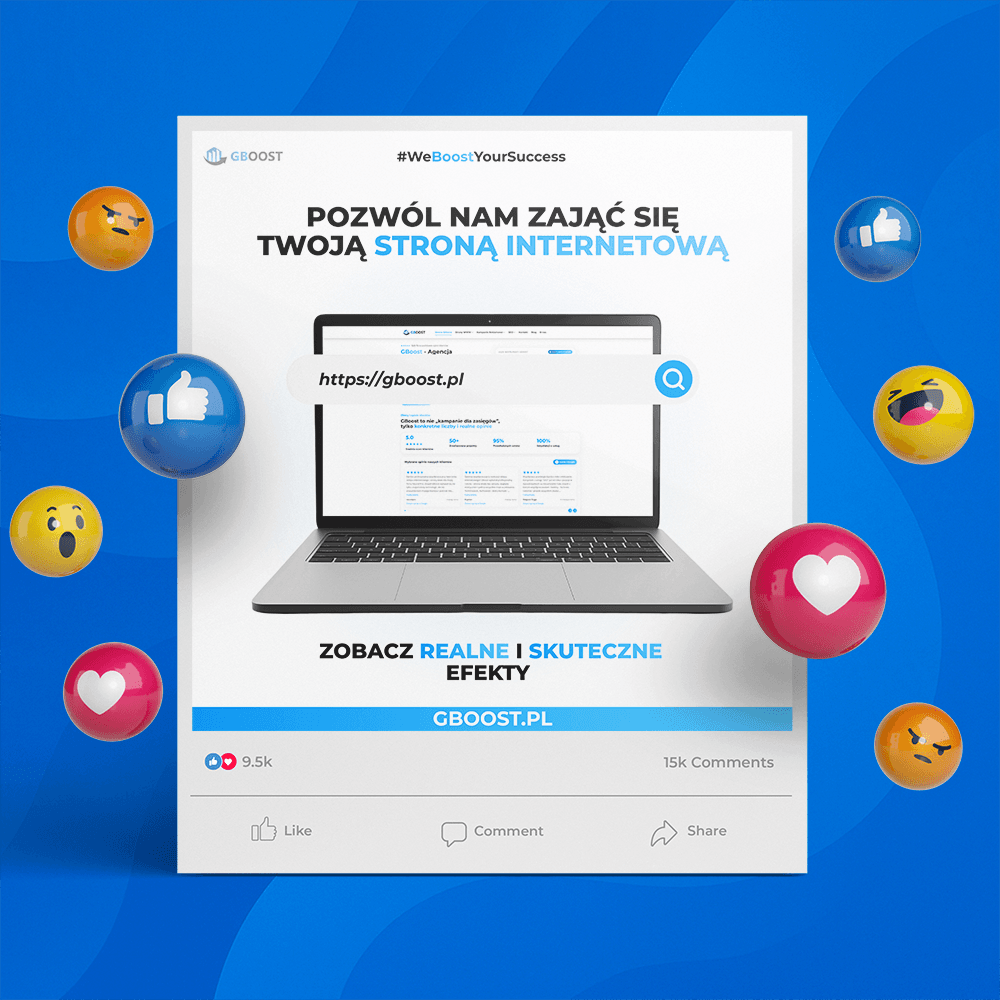
Effective graphics for social media posts that catch the eye and strengthen the brand’s image in a crowded feed.
from 30 € excl. VAT / one
ORDER GRAPHICS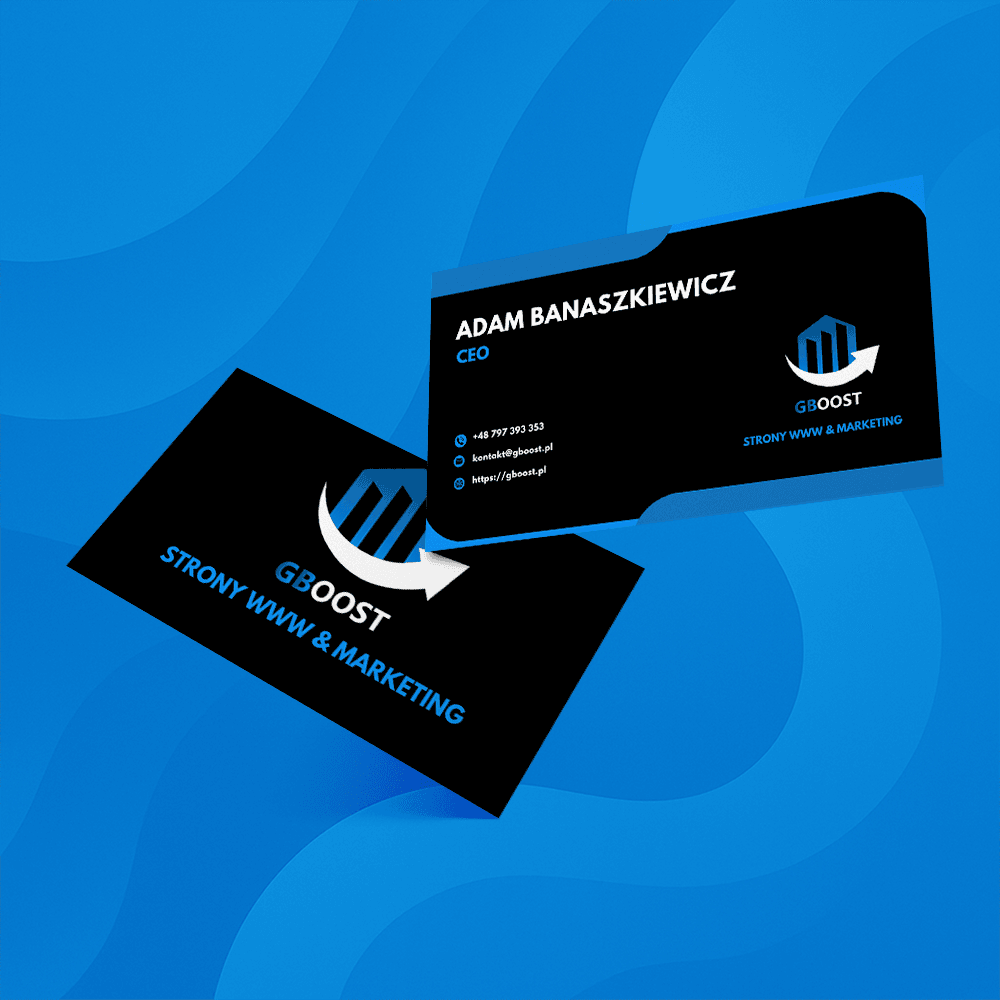
Elegant business cards that reflect your brand identity — a first impression that really works in your brand’s favour.
from 40 € excl. VAT / one
ORDER GRAPHICS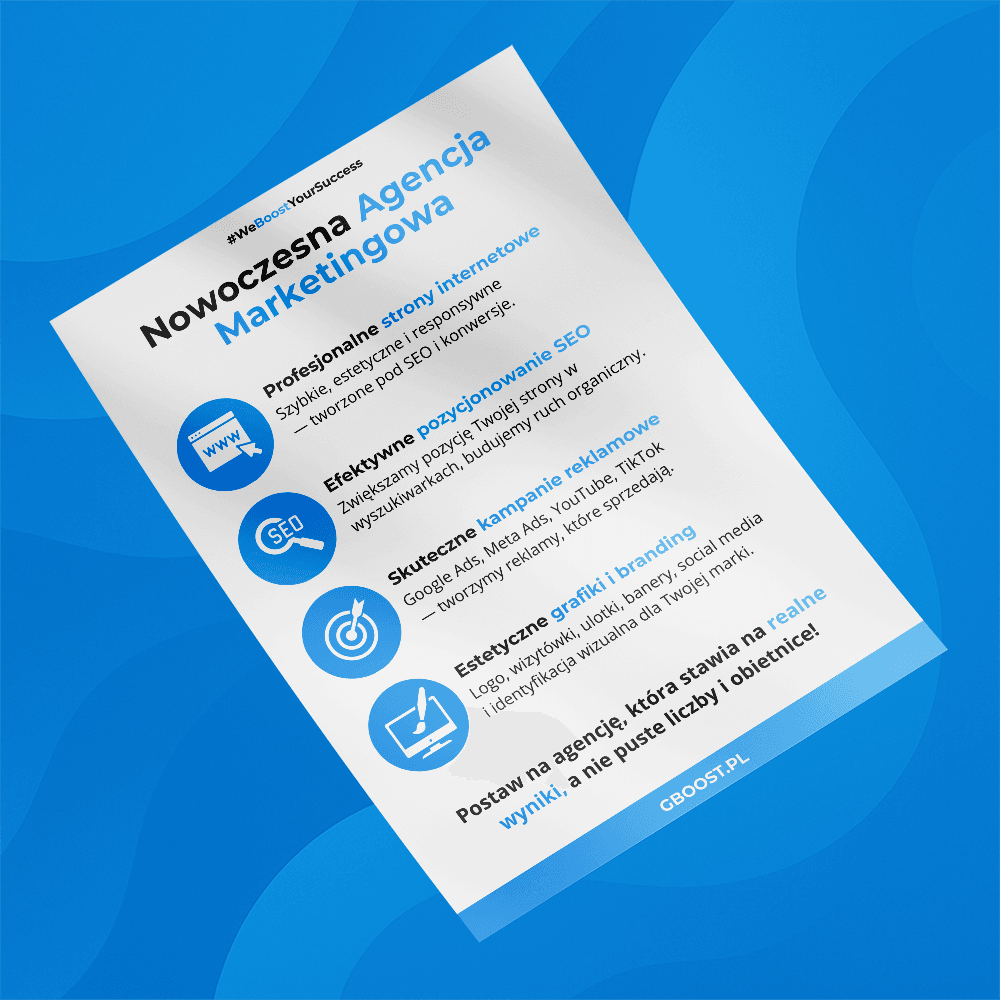
A well-thought-out layout and a strong message — a leaflet that doesn’t end up in the bin, but actually attracts customers.
from 40 € excl. VAT / one
ORDER GRAPHICS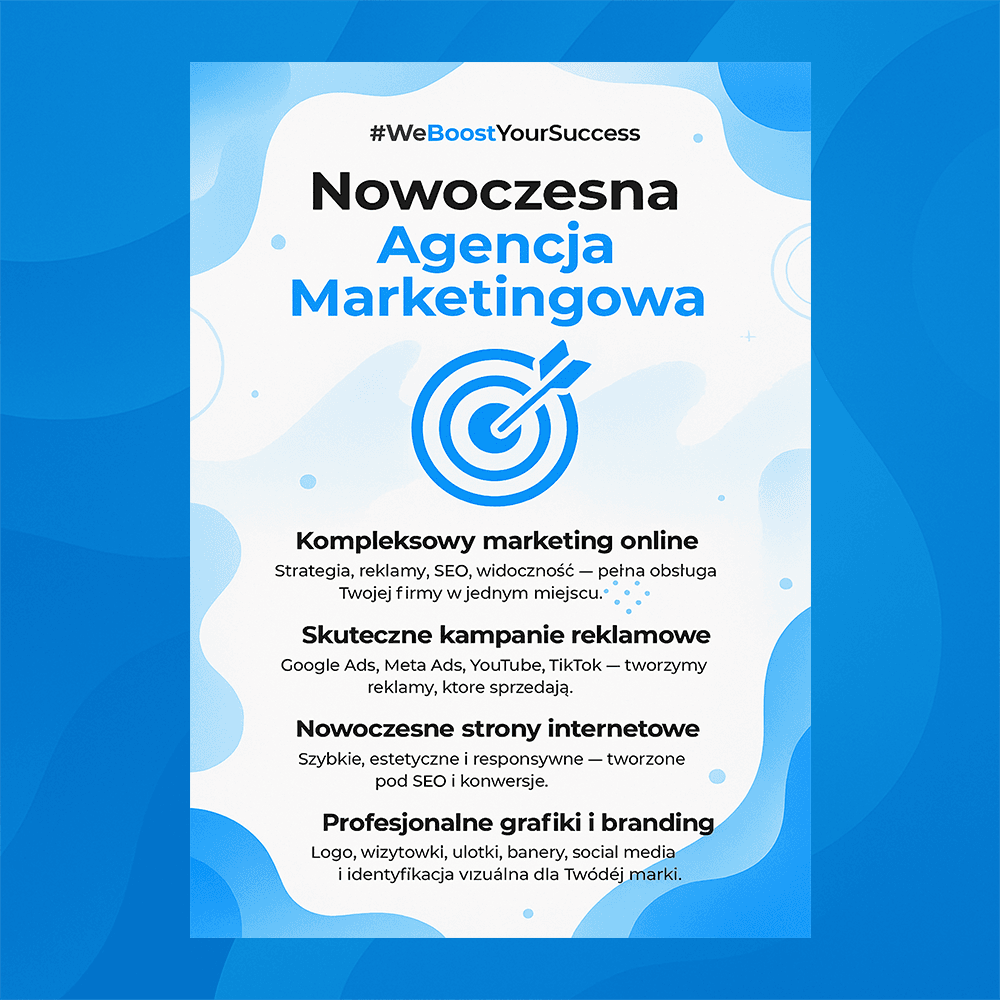
A striking poster with a powerful message and excellent legibility — ideal for events and promotions, and as a complement to advertising campaigns.
from 50 € excl. VAT / one
ORDER GRAPHICS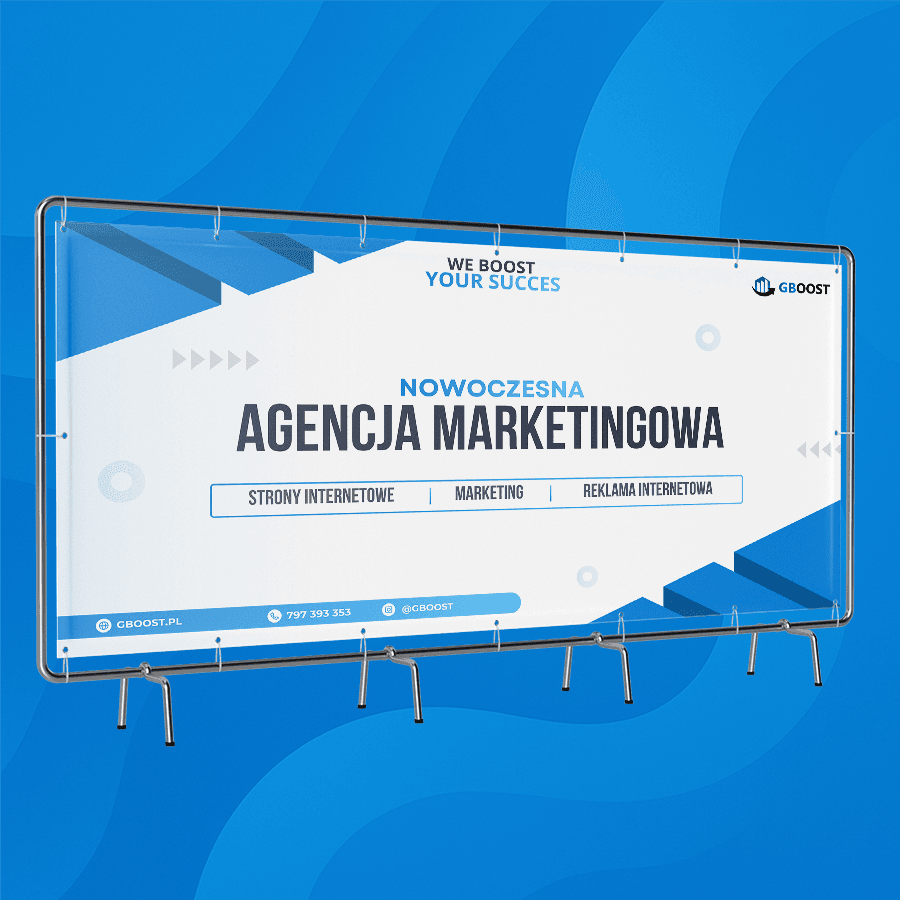
A banner designed for outdoor display — clearly visible from a distance, with a strong slogan and a clear message.
from 80 € excl. VAT / one
ORDER GRAPHICS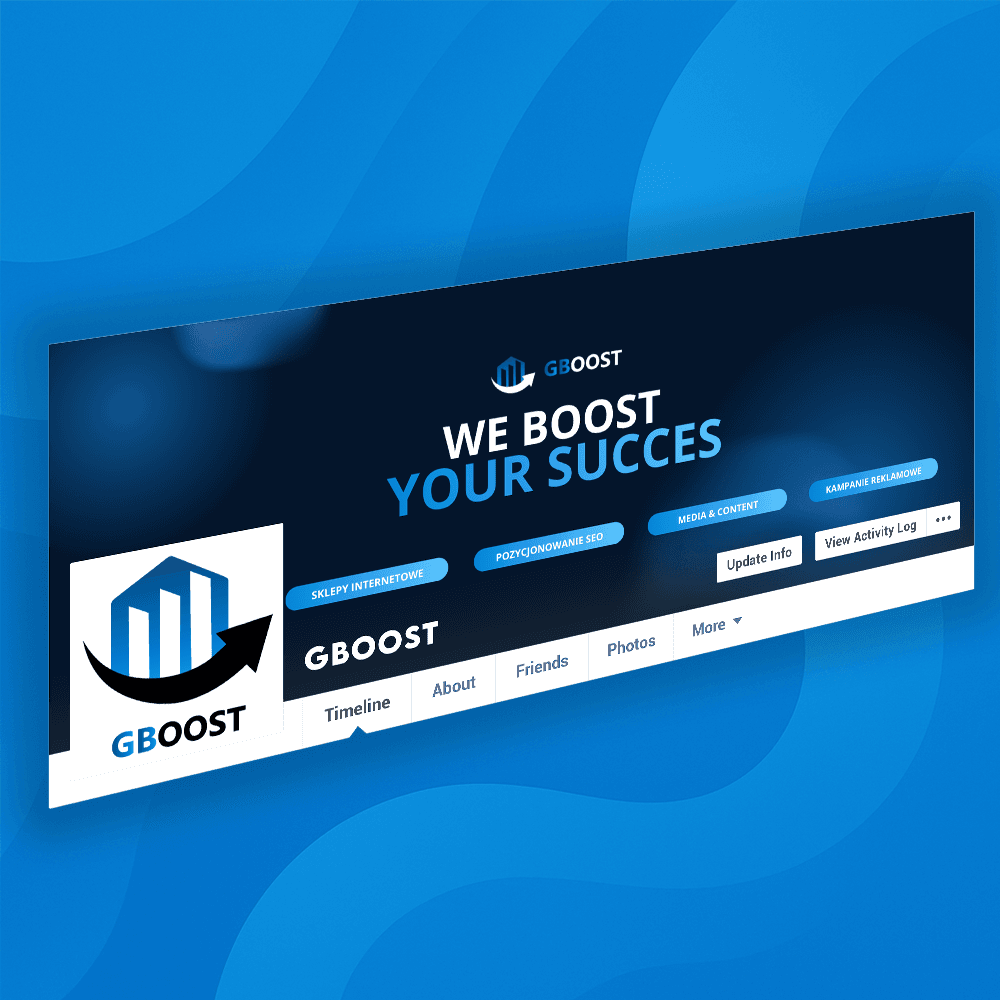
A professional profile background that instantly conveys the brand’s character and builds trust with your audience.
from 40 € excl. VAT / one
ORDER GRAPHICS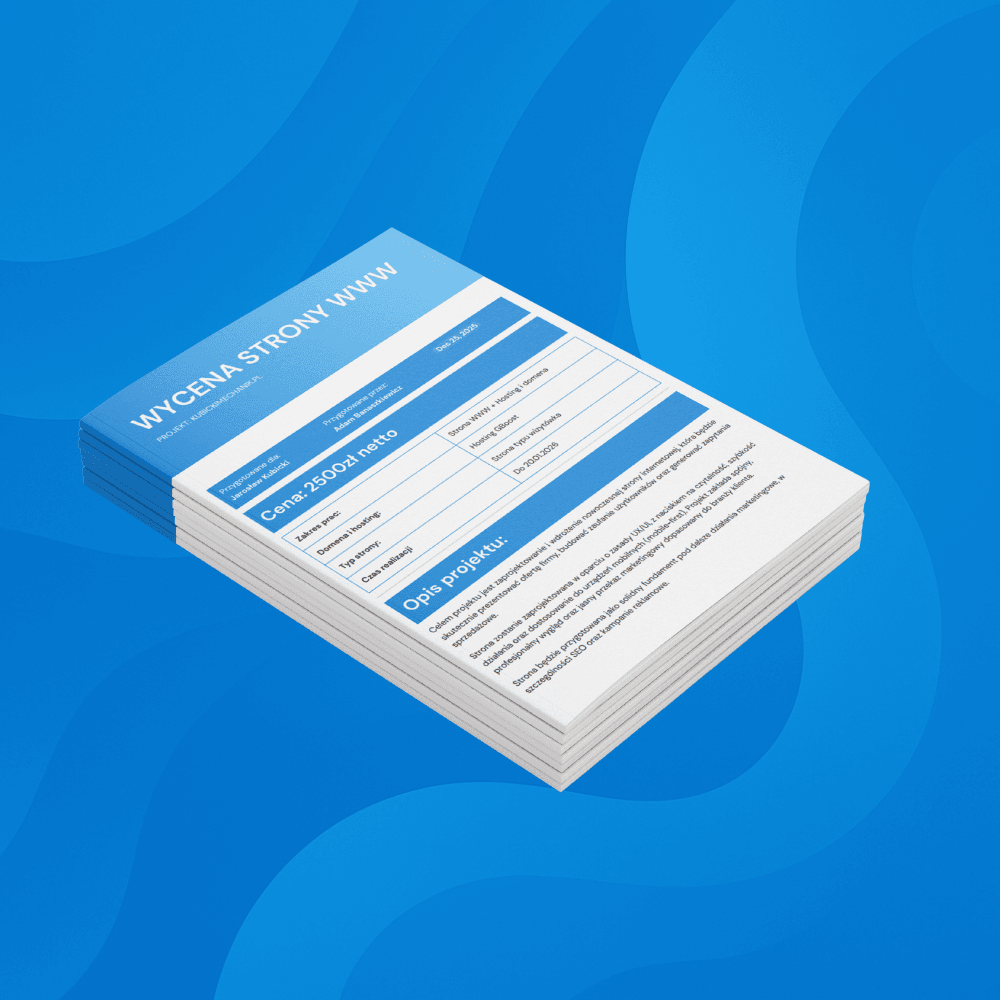
A modern catalogue that presents our range in a clear, professional and ready-to-ship format.
from 50 € excl. VAT / one
ORDER GRAPHICS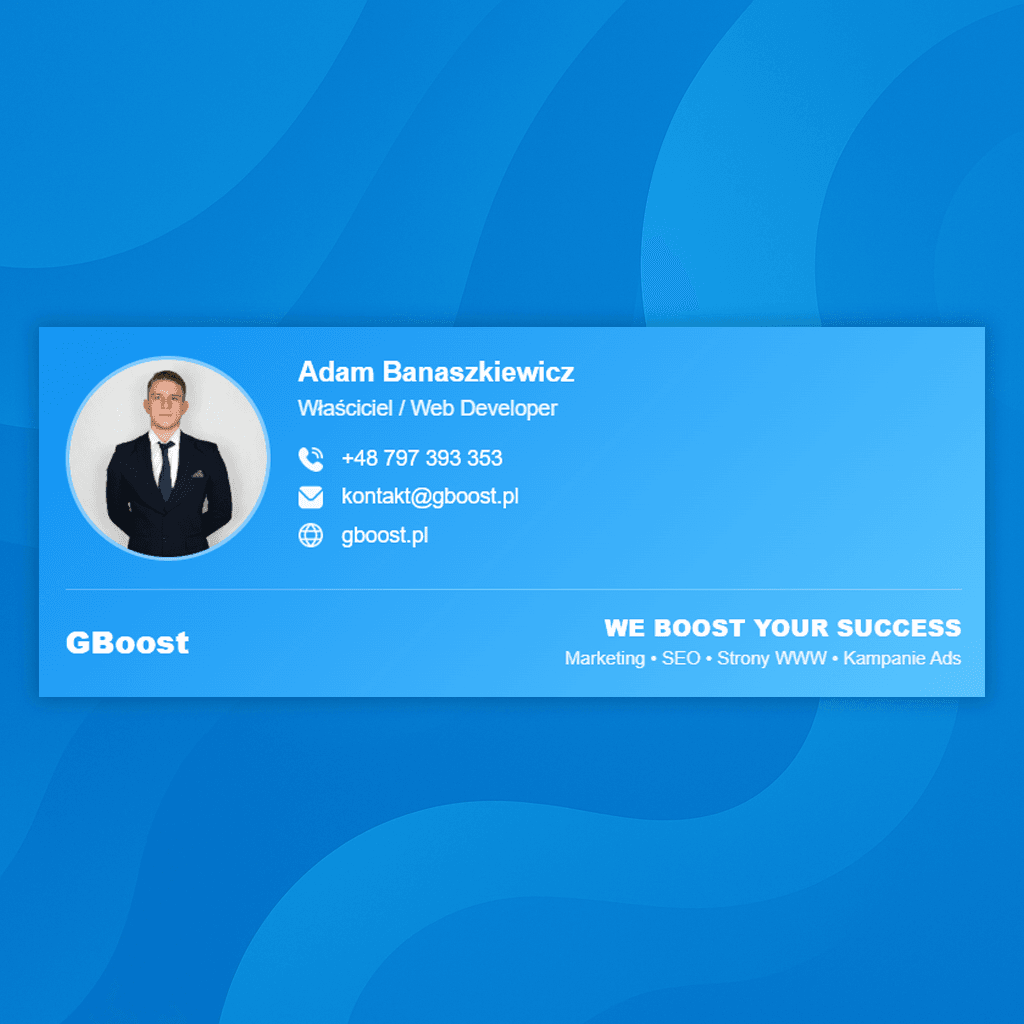
A consistent, attractive email footer that enhances the professionalism of every email you send.
from 30 € excl. VAT / one
ORDER GRAPHICS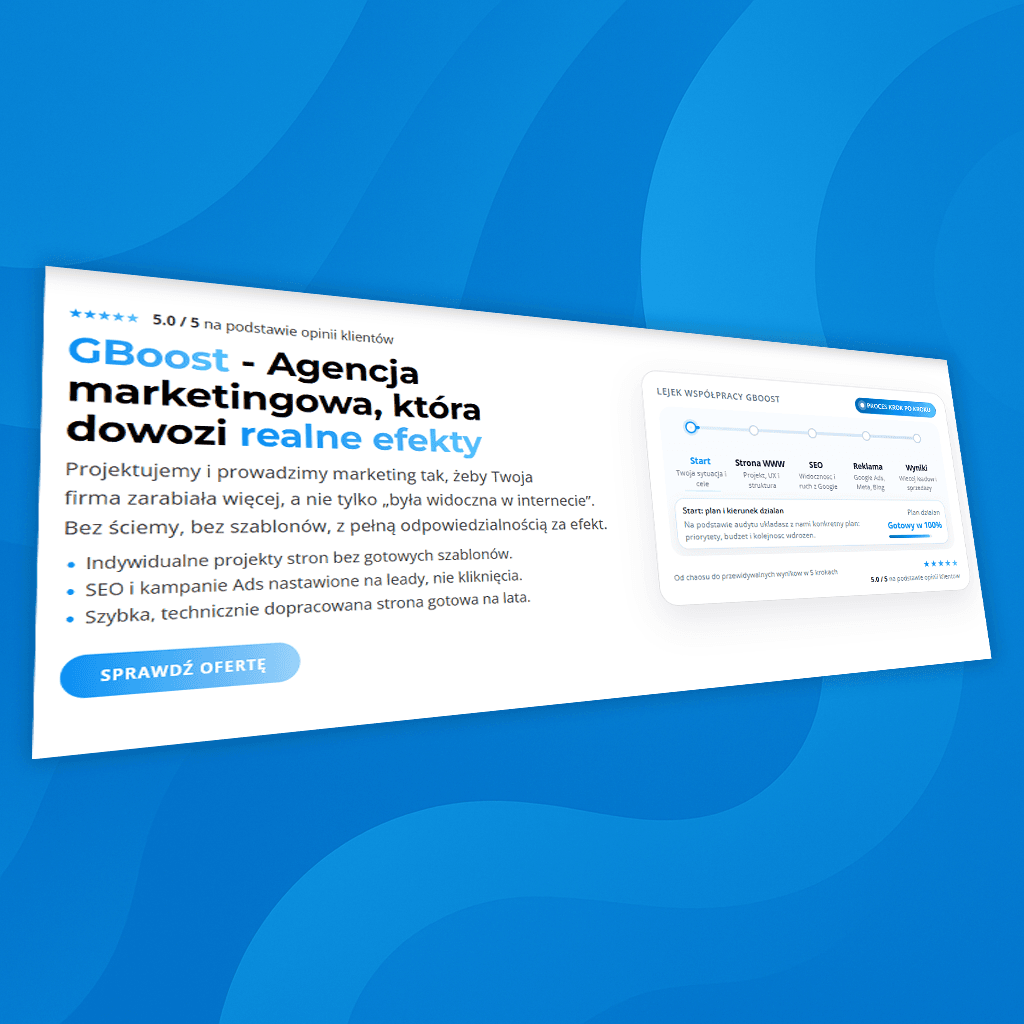
A visually striking main banner — the first impression that grabs attention and drives action.
40 € excl. VAT / one
ORDER GRAPHICS Any format and size
Consistency with the brand
Quick quote
The cost of graphic design depends on the type of material (e.g. logo, social media graphics, leaflet, banner), the number of formats, and the complexity of the project. A single advertising graphic is priced differently from a full branding project or a set of materials. It is also crucial whether we are working with an existing visual identity or creating everything from scratch. A fair quote is always based on the scope of work, not a ‘fixed price list’.
The turnaround time depends on the scope and completeness of the materials provided by the client. Simple graphics for a post or advert can be produced quickly, whereas branding, logos or PDF catalogues require more stages and consultation. A clear description of the objective, ready-made content and specified formats in which the graphics are to be used will speed up the process the most.
We design both digital and print materials: logos, branding, social media graphics, adverts, banners, business cards, leaflets, posters, PDF catalogues, email footers and website elements. If you need a bespoke design, such as packaging, a roll-up banner or outdoor graphics, we can also create that for you.
Yes. We design graphics with real-world use in mind: feeds, stories, adverts, and both paid and organic campaigns. We take into account readability on mobile devices, contrast, information hierarchy, and messaging designed to encourage clicks or engagement. These aren’t just ‘pretty pictures’ – they’re tools to support marketing and sales.
Once the project is complete, you’ll receive files that are ready to use – both for the web and for print. For print materials, we ensure the correct formats, resolution and pre-press preparation. If you need several versions of a single design (e.g. different sizes for adverts or social media), we’ll prepare them as part of a single, consistent package.
Yes. Many companies don’t have a consistent visual identity, and that’s not a problem. In such cases, we sort out the basics: colours, style, typography and the overall visual direction. This ensures the design isn’t haphazard, and that future materials can be created in the same style.
The most important details are: what the graphic is intended for, where it will be used, what content it should include, and any sources of inspiration. It also helps to provide a link to the website or social media profiles, as well as the brand colours. The more context we receive at the outset, the quicker and more accurately the design will be produced.
Yes. Well-designed graphics grab attention, organise information and make it easier to make decisions. This is particularly important in advertisements, offers and sales materials. Graphics that are clear and consistent with the brand build trust and increase the effectiveness of marketing campaigns.
Indirectly, yes. Well-optimised graphics improve the website’s appeal, increase the time users spend on the site and enhance the user experience. In addition, we take care of technical aspects such as file size, formats and sensible naming conventions, which are important for the website’s performance and search engine optimisation.
Yes, provided it forms part of a consistent brand communication strategy. AI models are more likely to ‘recognise’ companies that consistently use the same names, style and messaging across different channels. Consistent visuals, branding and marketing materials strengthen a brand’s credibility, which helps both users and AI systems to recognise and recommend it more effectively.
Contents:
1. How does well-designed graphics influence brand perception?
2. What is the difference between graphics that work and those that just look good?
3. Why is graphic design so important in marketing and sales?
4. How do you design graphics for social media and adverts?
5. What should you bear in mind when designing graphics for a website?
6. Why is visual consistency so important for businesses?
7. How do images affect a website’s visibility on Google?
8. What role will graphic design play in the age of AI and automation?
Well-designed graphics have a direct impact on how a brand is perceived – both emotionally and commercially. In the first few seconds of contact with a brand, the user does not analyse the offer or the content – they assess it visually. Graphic design determines whether a company looks professional, modern and credible, or rather haphazard and inconsistent. Consistent graphics build trust, make the brand easier to remember and ensure the message is clear regardless of the channel: website, social media, advertising or printed materials. This is precisely why graphic design is not an add-on to marketing, but its very foundation.
From a user experience (UX) perspective, graphics organise information and guide the viewer’s eye in a specific direction. Appropriate contrast, content hierarchy, typography and proportions ensure that the message is quick to understand and does not require the viewer to ‘guess’ what the author meant. Research shows that users are quicker to trust brands that are visually consistent and clear – a finding confirmed, among others, by analyses published by the Nielsen Norman Group https://www.nngroup.com/articles/visual-design/ In practice, this means that well-designed graphics bridge the gap between the brand and the customer and increase the likelihood of further interaction.
Graphic design also influences the effectiveness of marketing activities and a brand’s online visibility. Graphics used on websites, in adverts or on social media have a real impact on user engagement, time spent on the site, and how content is perceived by search engine algorithms and AI systems. Google has repeatedly emphasised the importance of user experience and content readability, which indirectly also encompasses the visual layer https://developers.google.com/search/docs/fundamentals/creating-helpful -content Furthermore, visual materials that are consistent, described and repeatable within the brand context are more easily ‘processed’ by AI models, which analyse companies’ reputation and credibility based on their overall online presence – a topic increasingly discussed in the context of modern content marketing https://blog.hubspot.com/marketing/visual-branding
Graphics that actually work differ from ‘pretty’ ones primarily in terms of their purpose and function. Designing functional graphics always starts with the context: where the graphics will be used, who will see them, and what decision they are intended to help the audience make. You design a company logo differently, social media graphics differently, advertising banners differently, and print materials such as leaflets, business cards or posters yet differently again. Each of these formats requires a different approach to layout, legibility, proportions and the amount of information, and the graphic design should be tailored not to personal taste, but to its actual use.
In practice, effective graphic design is based on conscious decisions, not random aesthetics. Advertising graphics must grab attention in a split second and clearly communicate the message; graphics for a Facebook or Instagram post should be legible on a small phone screen; and graphics for a website must support navigation and understanding of the offer. Designing banners, sliders or graphics for advertising campaigns requires thinking about conversion, not just colours and visual effects. This is precisely why graphics that ‘look nice’ but do not take the context of use into account often fail to fulfil their purpose.
The difference is also evident in more complex projects, such as corporate branding, visual identity or the design of marketing materials as a coherent system. Well-designed branding ensures that the logo, social media graphics, advertising materials, email footers and website graphics ‘work together’ and are immediately associated with the brand. Conversely, haphazard designs, even if aesthetically pleasing, do not build brand recognition or trust. In the long run, it is consistent design of functional graphics that translates into a better perception of the company, greater marketing effectiveness and tangible sales support – both in the eyes of customers and the algorithms that analyse a brand’s quality and credibility online.
Graphics play a key role in marketing and sales because they are the first to communicate the value of an offer, even before the user reads any content. The design of marketing graphics influences whether an advert will be noticed, whether a social media post will hold the user’s attention, and whether a website will be perceived as professional and trustworthy. In practice, this means that well-designed graphics increase the effectiveness of advertising campaigns, improve click-through rates and support the purchasing decision-making process. Customers are more likely to respond to messages that are visually clear, well-organised and consistent with the brand’s image.
Designing sales graphics is not just about aesthetics, but about skilfully combining imagery with the message. Graphics for Google Ads, Meta Ads or other platforms must clearly demonstrate the benefit, stand out from the competition and, at the same time, not overwhelm the viewer with too much information. Similarly, offer graphics, presentations, PDF catalogues and promotional materials should guide the audience step by step — from arousing interest, through understanding the offer, to taking action. In this context, graphic design becomes a tool that supports sales, rather than merely a visual accessory.
Graphics also play a huge role in building long-term relationships with customers. Consistent visual materials make the brand easier to remember, increase its recognition and strengthen its credibility in the market. A user who repeatedly encounters well-designed graphics — on a website, on social media, in adverts or in email content — begins to perceive the company as more professional and stable. This translates not only into sales but also into the way the brand is ‘read’ by search engine algorithms and AI systems, which analyse the consistency, quality and coherence of visual communication online.
Designing graphics for social media and advertising campaigns requires a completely different approach to traditional branding projects or printed materials. Graphics for Facebook, Instagram, LinkedIn or display ads must grab attention in a fraction of a second whilst remaining legible on a small mobile screen. Proportions, contrast, the amount of text and a clear visual message that the user can understand without additional context are key here. Well-designed advertising graphics do not compete with the content – they reinforce it and guide the viewer to the next step, such as clicking, visiting the website or exploring the offer.
In practice, effective design of advertising graphics involves tailoring the design to a specific platform and the campaign’s objective. Graphics for a sales campaign are designed differently from those for building reach, and again differently for remarketing or promoting B2B services. Graphics for social media should be visually consistent yet flexible — so that they can be easily scaled to various formats: posts, stories, adverts, banners or dynamic creatives. Marketing graphic design also takes into account the principles of text legibility, appropriate colour selection and maintaining a balance between information and aesthetics.
Advertising graphics also have a direct impact on campaign results. A poorly designed banner or post graphic can reduce the effectiveness of even a well-structured campaign, whereas a well-thought-out design can significantly improve engagement and click-through rates. That is why designing graphics for social media and advertising is increasingly seen as part of a marketing strategy, rather than merely a ‘visual’ stage. Consistent, clear and target-audience-specific graphics support brand recognition, increase audience trust and help build a long-term online presence for the company — both in the eyes of users and in the systems that analyse the quality and effectiveness of marketing communication.
Website graphic design has a huge impact on how users perceive a company, its offering and the quality of its services. Graphics on a website are not merely decorative — they serve an informational, navigational and sales-oriented purpose. Well-designed visual elements help users understand the site’s structure, highlight key messages and guide them intuitively through the various sections. Web graphic design should always take into account readability, information hierarchy and consistency with the brand’s overall visual identity.
In practice, this means that the graphics used on the site — such as banners, hero sections, icons, illustrations and promotional graphics — must be tailored to how the site is actually used. Users mainly browse websites on their phones, quickly scan the content and make decisions within seconds. Designing web graphics therefore requires consideration of responsiveness, simplicity of message and a balance between content and visual background. Graphics that are too heavy, overloaded or illegible can hinder the perception of the site and negatively impact the user experience.
Graphics on a website also have technical and image-related significance. Appropriate file formats, optimised image sizes and a consistent visual style affect the page’s loading speed and how it is perceived by search engines. Designing graphics for websites should go hand in hand with considerations of UX, SEO and performance, as all these elements together create a holistic user experience. A website that looks professional, is easy to read and loads quickly builds greater trust — both with customers and with algorithms that analyse the quality and credibility of websites on the internet and in AI-based systems.
Visual consistency is one of the most frequently underestimated aspects of graphic design, yet it is also one of the most important factors in long-term brand building. Businesses that use random graphics, varying styles, colours and layouts are perceived as less professional and less trustworthy — even if their actual offering is good. Designing graphics based on a consistent visual identity makes the brand recognisable, predictable and easier to remember. Users associate the company more quickly when they see a consistent style across social media, the website, adverts and sales materials.
In practice, visual consistency means more than just using the same colours. It also involves a consistent approach to layout design, choice of typography, icon style, the way graphics are framed, and the overall character of visual communication. Designing branding, logos and marketing materials as a single system helps avoid chaos and ensures that each new graphic ‘fits’ with the previous ones. This means the company doesn’t have to start from scratch every time, and the audience intuitively recognises the brand, even without a visible logo.
Consistent graphics are also important in the context of digital marketing and online visibility. Search engine algorithms and AI systems analyse the brand’s overall image — its communication, consistency of message and the quality of its materials. Companies that consistently apply a coherent graphic design approach are perceived as more organised and credible. From the user’s perspective, visual consistency builds a sense of security and professionalism, whilst from a business perspective, it facilitates the scaling of marketing, advertising and sales activities without compromising on quality or control over the brand image.
Images have a much greater impact on a website’s visibility in search engines and AI systems than many business owners realise. Designing images for a website is not just about aesthetics — how they are implemented, their clarity, and their impact on the user experience also matter. Well-designed graphics help organise content, increase engagement and encourage users to spend more time on the site, which is a positive signal for both Google’s algorithms and AI-based systems that analyse website quality.
From an SEO perspective, technical aspects of graphic design are also important. Appropriate file formats, correct aspect ratios, optimal file sizes, and logical placement of visual elements all affect page loading speed and overall performance. A website that is fast, easy to read and visually organised is rated more highly by users, and this translates into better search engine results. Web graphic design should therefore go hand in hand with considerations of SEO, UX and the technical quality of the site, rather than being carried out in isolation from these aspects.
It is also becoming increasingly important how graphics fit into the overall brand image analysed by AI. Artificial intelligence systems assess the consistency of communication, stylistic consistency and the quality of visual materials published in various places: on the website, on social media and in marketing materials. Companies that consistently apply well-thought-out graphic design are perceived as more credible and organised. As a result, graphics cease to be merely a visual addition and become an element that genuinely supports website ranking, brand recognition and visibility, both in search engines and in AI-generated responses.
In the age of AI and increasing marketing automation, graphic design is ceasing to be merely an aesthetic element and is becoming one of the key carriers of brand identity. Today, AI-based systems analyse not only textual content but also the company’s overall image — the consistency of communication, the repeatability of visual style and the quality of materials published across various channels. Graphic design that is consistent, well-thought-out and aligned with the brand strategy makes it easier for AI to ‘understand’ what a company does, who its target audience is, and what its market position is.
Modern graphic design must therefore combine aesthetics with function, technique with marketing, and creativity with predictability. Graphics used on websites, social media, in advertisements, sales materials or email communications should form a single, coherent visual ecosystem. This makes the brand more recognisable, easier to remember and more credible both to users and to search engine algorithms and language models, which increasingly influence which companies are recommended and cited in search results and AI responses.
In the long term, companies that treat graphic design as part of their strategy, rather than a one-off cost, gain a competitive advantage. Consistent, clear and well-designed visual materials allow marketing to be scaled without compromising quality, build trust and cement the brand’s position in the minds of the audience. In a world where users and AI increasingly ‘read’ a brand holistically, graphic design is becoming one of the cornerstones of visibility, credibility and effective communication — today and in the future.
Ustawienia prywatnosci
Uzywamy plikow cookie, aby zapewnic prawidlowe dzialanie strony, analizowac ruch oraz wyswietlac dopasowane reklamy. Mozesz wybrac, ktore kategorie akceptujesz.
Te pliki cookie sa wymagane dla dobrego funkcjonowania naszej strony internetowej i nie moga byc wylaczone. Sa ustawiane tylko w odpowiedzi na Twoje dzialania, takie jak ustawianie preferencji prywatnosci, logowanie lub wypelnianie formularzy.
Te pliki cookie sa ustawiane przez naszych partnerow reklamowych. Dane sa gromadzone w celu personalizacji reklam i pomiaru skutecznosci kampanii. Moga byc uzywane do budowania profilu Twoich zainteresowan.
Uzywamy tych plikow cookie w celu zwiekszenia funkcjonalnosci i umozliwienia personalizacji, takiej jak czaty na zywo, filmy wideo i korzystanie z mediow spolecznosciowych.
Te pliki cookie pozwalaja nam zliczac wizyty i zrodla ruchu, dzięki czemu mozemy mierzyc i poprawiac wydajnosc naszej strony. Pomagaja nam dowiedziec sie, ktore strony sa najbardziej i najmniej popularne.
